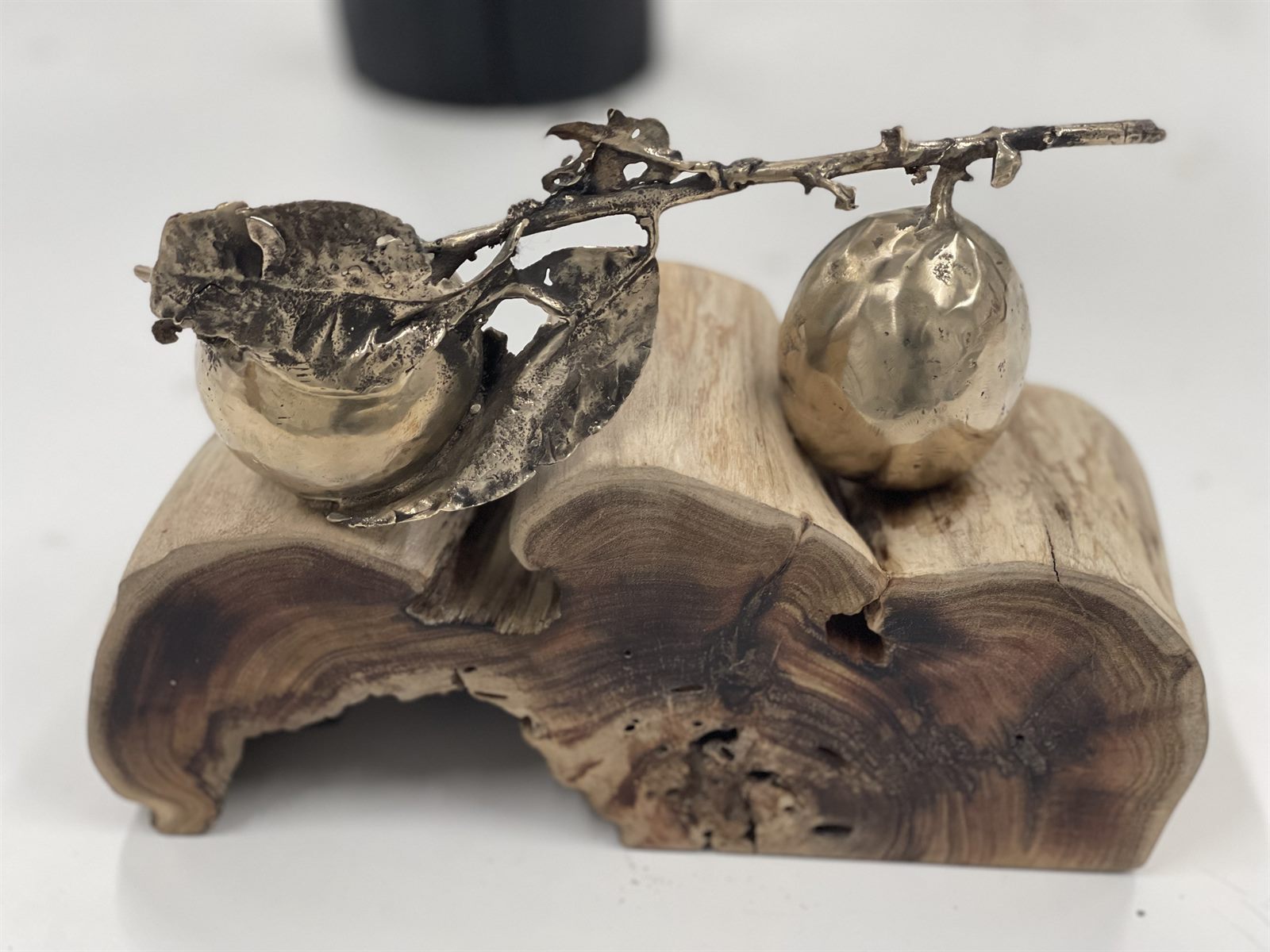
In my recent work, the Bronze Lemon Branch Sculpture, I set out to explore bronze casting by transforming a natural lemon branch into a durable, lifelike sculpture. This project challenged me technically and conceptually, allowing me to combine the organic delicacy of nature with the permanence of metal.
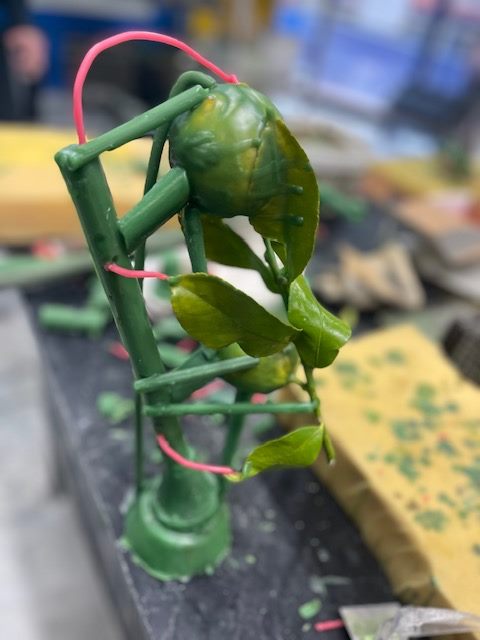
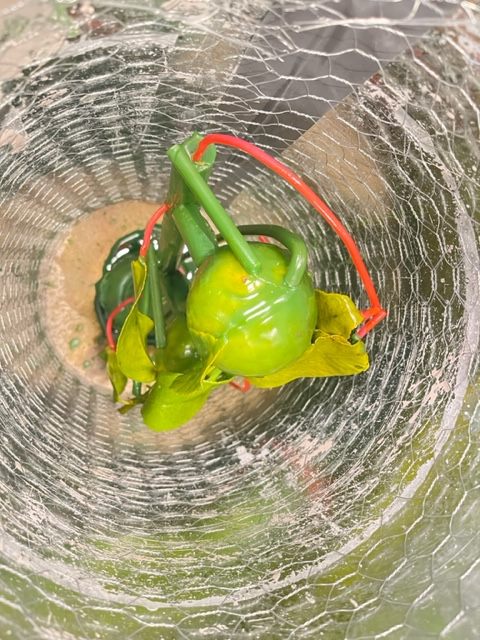
The process was rooted in experimentation, starting with extensive research on capturing organic details in bronze. I decided to use a hands-on approach, selecting a lemon branch with two lemons and dipping it multiple times in melted wax to build up layers. Each wax layer had to be carefully applied to avoid gaps and bubbles that could compromise the final piece. This meticulous waxing stage was essential in preserving the branch's fine details, ensuring that every leaf and stem could translate effectively into bronze.
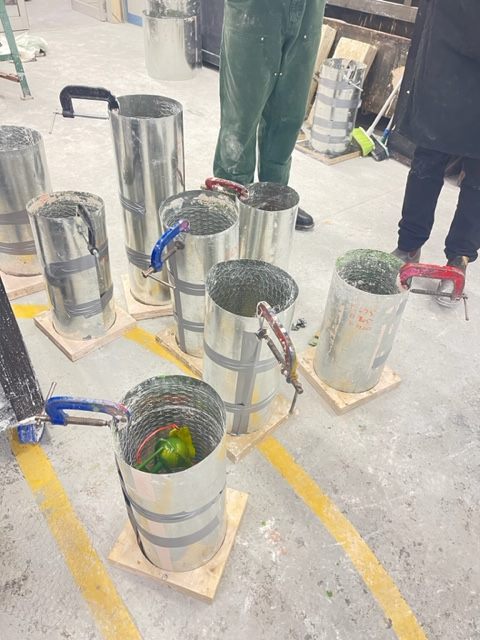
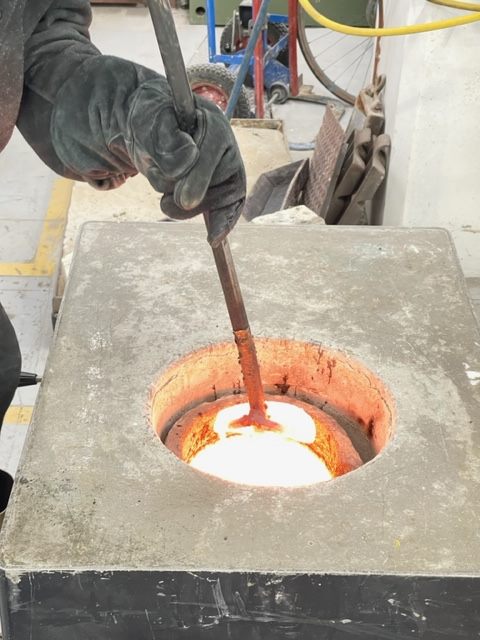
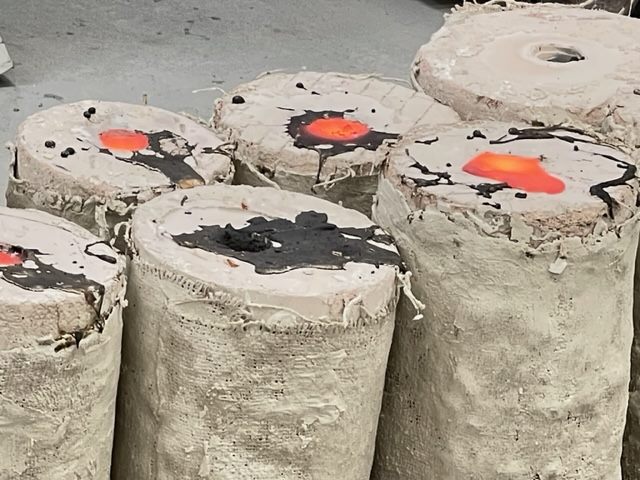
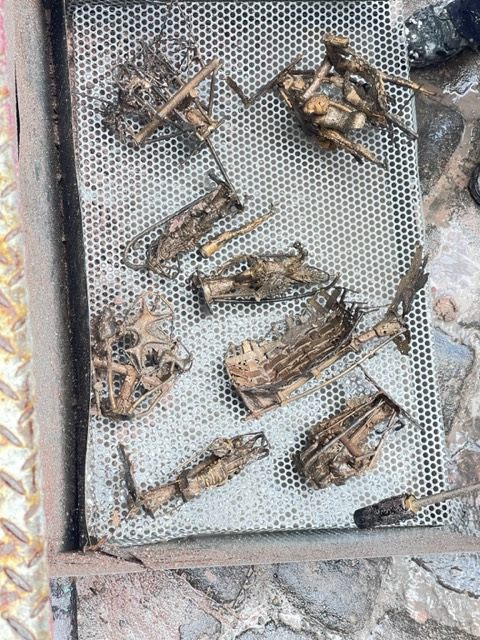
Another challenge lay in securing the branch to a base that would support the piece without overpowering its natural elegance. Combining organic and metallic materials required both strategic planning and technical precision. The casting process itself was intensive, and working closely with the foundry team highlighted the importance of precision and safety. During the pour, some of the more delicate leaves burned away, lending an unexpected, raw aesthetic to the final sculpture and reinforcing its natural essence.
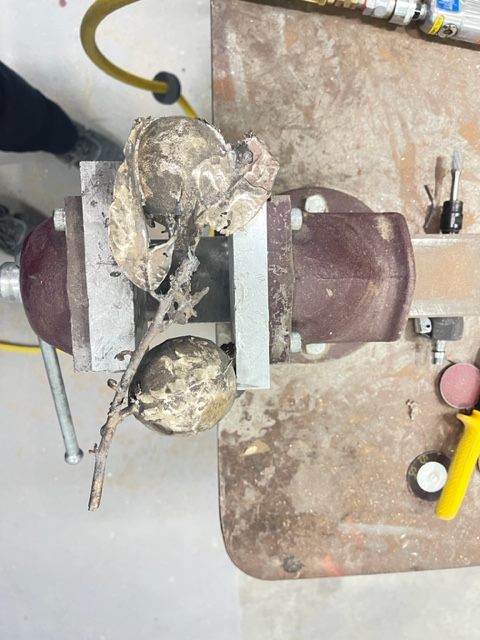
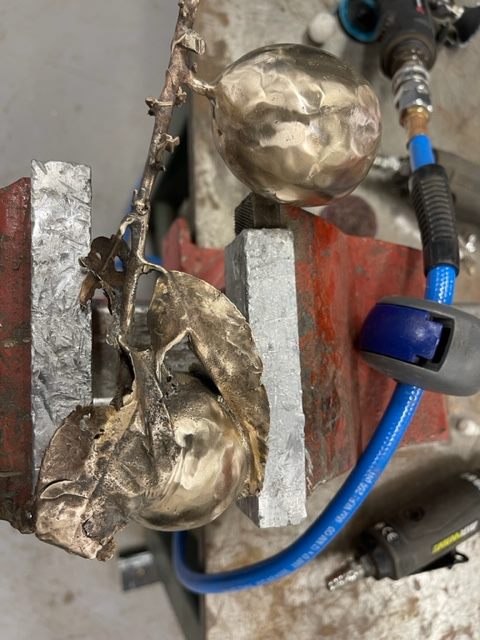
The final stages of cleaning and refining taught me the value of patience and attention to detail. Adjusting my tools and techniques to work around the areas affected by the burn enhanced the sculpture's authenticity without compromising the original form.
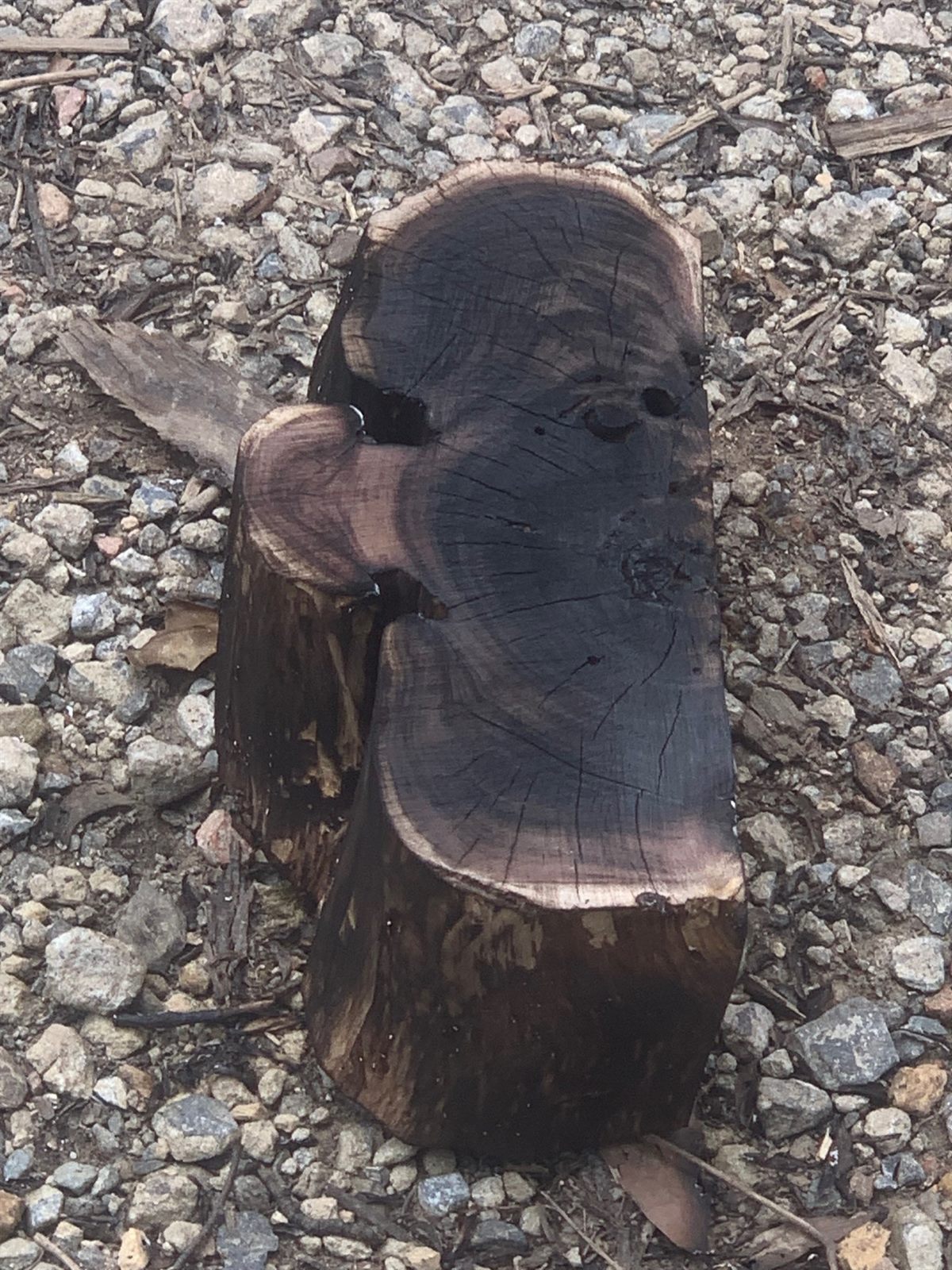
Mounting the finished sculpture on a live-edge wood block completed the piece, enhancing its organic quality. This experience not only expanded my technical skills but also deepened my appreciation for the unpredictable nature of casting organic materials, opening up new avenues for integrating natural forms in future works.
Bronze, lost-wax cast, on live-edge wood · 2024